loader

How Can I Manage Anger Before It Controls Me?"

Dec 08, 2025

Anxiety

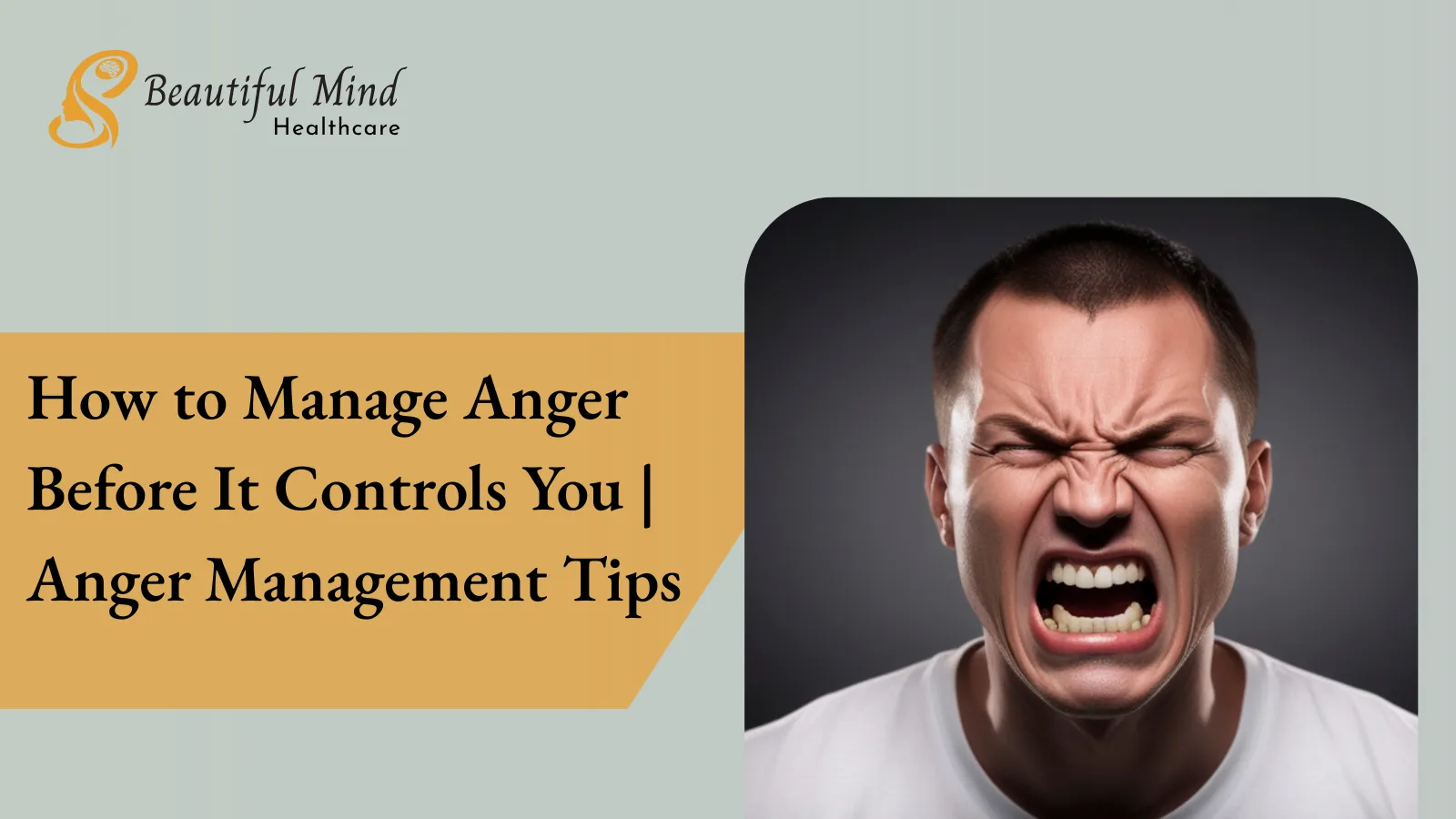
How to Manage Anger Before It Controls You | Effective Anger Management Tip How to Manage Anger Before It Controls You | Effective Anger Management Tip

Anger is a natural and powerful emotion that everyone experiences from time to time. It can arise in response to frustration, perceived injustice, or unmet expectations. However, while anger is a normal part of life, it becomes a problem when it’s not managed properly. Uncontrolled anger can damage relationships, cause stress, and even negatively impact your health. Learning how to manage anger before it controls you is crucial for maintaining your emotional well-being. 

In this blog, we’ll explore practical strategies to help you manage anger in a healthy and constructive way.

Understanding Anger

Anger is an emotional response to a situation or person that we perceive as frustrating, hurtful, or unjust. It is a natural and protective reaction that triggers the body’s “fight or flight” response. Anger can manifest in physical symptoms such as increased heart rate, muscle tension, and shallow breathing. It can also trigger emotional responses like irritability or frustration.

When Does Anger Become a Problem?

Anger becomes a problem when it’s not properly controlled. Frequent outbursts, excessive frustration, or difficulty calming down are signs that anger is interfering with your daily life. If you find yourself reacting impulsively, shouting, or harbouring resentment, it may be time to take action before the anger escalates further.

Why Managing Anger is Important

  • Impact on Relationships: Uncontrolled anger can create tension in relationships with family, friends, colleagues, and even strangers. Reacting in anger without thinking can cause misunderstandings, conflict, and emotional pain for both yourself and others. Healthy anger management helps maintain respect, improve communication, and strengthen relationships.
  • Physical Health Effects: When anger is left unchecked, it can take a toll on your physical health. High blood pressure, increased heart rate, and stress hormones are all linked to anger. Chronic anger can also lead to long-term health problems such as cardiovascular disease and digestive issues.
  • Mental Health Implications: Anger that is not properly expressed can contribute to mental health challenges, such as anxiety, depression, and feelings of helplessness. Prolonged anger can lead to a sense of emotional exhaustion and a decrease in overall life satisfaction.

Practical Anger Control Strategies

Recognising Triggers

The first step in managing anger is identifying the triggers that set it off. Is it work stress, long commutes, misunderstandings, or unmet expectations? Keeping an anger diary can help you track when anger arises and what situations or people trigger it. By recognising patterns, you can begin to anticipate and manage your reactions.

Taking a Timeout

In moments of anger, it’s important to give yourself a break. Taking a timeout from the situation allows you to cool down before responding. This might mean walking away from a heated discussion or taking a few minutes to breathe deeply and centre yourself.

Breathing Exercises

Breathing exercises are one of the quickest ways to reduce the physical symptoms of anger. Try the following technique:

  • Take a slow, deep breath in through your nose for a count of four.
  • Hold your breath for a moment.
  • Exhale slowly through your mouth for a count of four.
  • Repeat this for several cycles until you feel your body begin to relax.

Reframing Negative Thoughts

Anger often stems from negative thoughts such as “This is unfair” or “I can’t stand this.” Reframing these thoughts can help shift your perspective. Try to replace negative thoughts with more constructive ones, such as “This is frustrating, but I can handle it” or “I can choose how to respond.”

Physical Relaxation Techniques

Progressive muscle relaxation can help alleviate the physical tension caused by anger. Start by tensing the muscles in your body (e.g., your hands, arms, or legs), hold the tension for a few seconds, and then slowly release. This exercise helps reduce stress and promotes relaxation.

Engaging in Physical Activity

Physical exercise is an excellent outlet for anger. It helps release built-up tension, boosts your mood, and provides a healthy way to channel frustration. Whether it’s jogging, yoga, or going for a brisk walk, physical activity can calm your mind and body.

Long-Term Strategies for Anger Management

  1. Mindfulness and Meditation: Practising mindfulness and meditation can help you manage anger over the long term. Mindfulness encourages you to focus on the present moment and observe your thoughts and feelings without judgment. Regular meditation can help increase emotional resilience and promote a sense of calm.
  2. Seeking Professional Help: If anger is affecting your relationships or quality of life, seeking professional help is an important step. Anger management therapy or counselling, such as Cognitive Behavioural Therapy (CBT), can help you understand the root causes of your anger and develop healthy coping strategies.
  3. Improving Communication Skills: Learning how to communicate effectively can reduce misunderstandings that lead to anger. Practice active listening, use “I” statements to express your feelings, and stay calm during difficult conversations. Developing these skills can prevent anger from escalating and help resolve conflicts more effectively.

In Conclusion

Managing anger before it controls you is vital for maintaining emotional and physical health, as well as for cultivating positive relationships. By using the practical strategies discussed, such as recognising triggers, practising breathing exercises, and seeking professional support, you can learn to control your anger and respond to challenging situations in a healthier, more productive way.

Take Action Today!

If you’re struggling with anger, don’t wait for it to spiral out of control. Contact Dr Sushruth at Beautiful Mind Healthcare and get professional anger management counseling to support your journey toward a calmer, more balanced life. Book your consultation and start your mental transformation!


FAQs:

  1. How do I know if my anger is a problem?
    If you find yourself frequently angry, having difficulty calming down, or experiencing negative effects on relationships, work, or health, it may indicate that anger is becoming a problem.

  2. Can deep breathing really calm me down?
    Yes, deep breathing helps slow the heart rate and activate the body’s relaxation response, which can effectively reduce feelings of anger.

  3. Is it possible to control anger without therapy?
    Yes, many people can manage anger through self-regulation techniques like mindfulness, relaxation exercises, and physical activity. However, therapy may be beneficial if anger is significantly affecting your life.

  4. What are some long-term ways to prevent anger from escalating?
    Practicing mindfulness, improving communication skills, seeking therapy, and engaging in regular exercise are all long-term strategies that can help prevent anger from escalating.

  5. When should I seek professional help for anger management?
    If anger is affecting your relationships, job, or health, or if you find it difficult to control your anger despite using strategies, it may be time to seek professional help.
How Can I Manage Anger Before It Controls Me? How Can I Manage Anger Before It Controls Me?
How Can I Manage Anger Before It Controls Me?"
Is ADHD Different in Adults Than in Children? Understanding How Symptoms Change with Age Is ADHD Different in Adults Than in Children? Understanding How Symptoms Change with Age
Is ADHD Different in Adults Than in Children? Understanding How Symptoms Change with Age
What is Creative Arts Therapy and How Does It Work? What is Creative Arts Therapy and How Does It Work?
What is Creative Arts Therapy and How Does It Work?
5 Common Marriage Issues & How Counseling Helps 5 Common Marriage Issues & How Counseling Helps
5 Common Marriage Issues & How Counseling Helps
How Do Art-Based Therapies Help With Stress, Anxiety, and Depression? How Do Art-Based Therapies Help With Stress, Anxiety, and Depression?
How Do Art-Based Therapies Help With Stress, Anxiety, and Depression?